


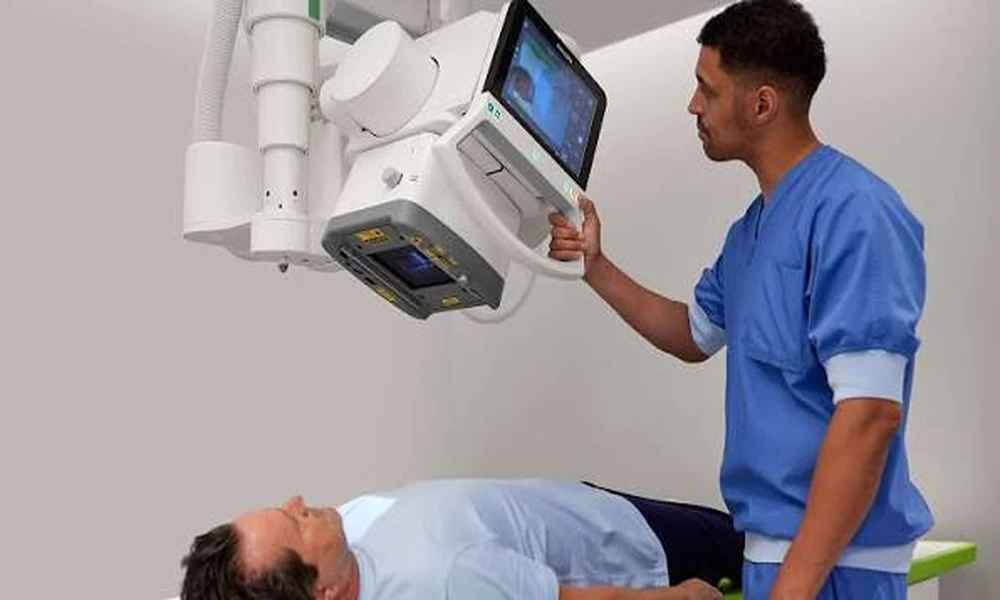
Reliable inspection helps industrial teams maintain quality while keeping production schedules on track. Weld checks often require clear images before technicians can approve completed joints. Faster image capture helps inspectors review results promptly without disrupting ongoing tasks. With digital radiography ndt, inspection teams can examine internal defects efficiently while supporting timely decisions and consistent quality checks.
Improving Image Capture Speed
Real-time imaging allows inspectors to view internal joint conditions soon after exposure. This immediate access reduces waiting periods associated with older image processing methods. Technicians can assess captured results during inspection rather than waiting for separate image development. Using digital radiography ndt helps teams organise examination tasks while keeping production activities moving efficiently.
- Capture internal images quickly for prompt technical review.
- Reduce processing steps through direct image availability.
- Maintain clear records for future quality checks.
- Support faster decisions during scheduled inspection activities.
- Improve coordination between production staff and inspection teams.
Detecting Internal Defects Early
Clear radiographic images help technicians identify cracks, pores, incomplete fusion and other internal flaws. Early detection allows teams to address concerns before the next production stage begins. Better visibility supports accurate assessment while reducing repeated examinations caused by unclear results. Timely identification also helps inspectors communicate findings to responsible personnel without unnecessary delays.
- Identify internal cracks before components move forward.
- Examine joint consistency through detailed image analysis.
- Locate trapped gas pockets within inspected sections.
- Recognise incomplete fusion through suitable image interpretation.
- Share findings promptly with relevant technical staff.
Simplifying Inspection Workflows
Organised inspection procedures help teams manage workloads without creating avoidable waiting periods. Digital image storage allows authorised personnel to retrieve examination records quickly. Technicians can review findings while production teams prepare upcoming tasks. Clear communication between departments also helps prevent scheduling conflicts and supports steady progress throughout manufacturing operations.
Strengthening Image Review Accuracy
Accurate interpretation depends on suitable image quality and trained inspection personnel. Modern imaging tools allow technicians to adjust contrast and magnification for closer examination. These controls help reveal small irregularities that may require further assessment. Consistent review procedures support dependable decisions while reducing unnecessary repeat inspections and improving overall inspection efficiency.
Supporting Better Quality Records
Electronic records help organisations maintain inspection details in an organised format. Images can be linked with component identifiers, examination dates and recorded findings. This approach makes previous results easier to retrieve during audits or follow-up checks. Well-maintained documentation also improves communication between inspectors, supervisors and quality control teams.
Coordinating Inspection Schedules
Careful planning helps inspection teams match examination activities with production requirements. Staff can prioritise urgent components while arranging suitable time for detailed image reviews. Regular equipment checks and clear task assignments further support dependable operations. These measures help reduce interruptions while keeping inspection activities aligned with established quality requirements.
FAQ
How does real-time imaging reduce inspection waiting periods?
It provides immediate images for quicker technical assessment and approval.
Can radiographic images reveal internal joint defects clearly?
Yes, suitable images help trained inspectors identify several internal flaws.
Why should inspection records remain organised and accessible?
Accessible records support audits, comparisons, and informed quality decisions.
