


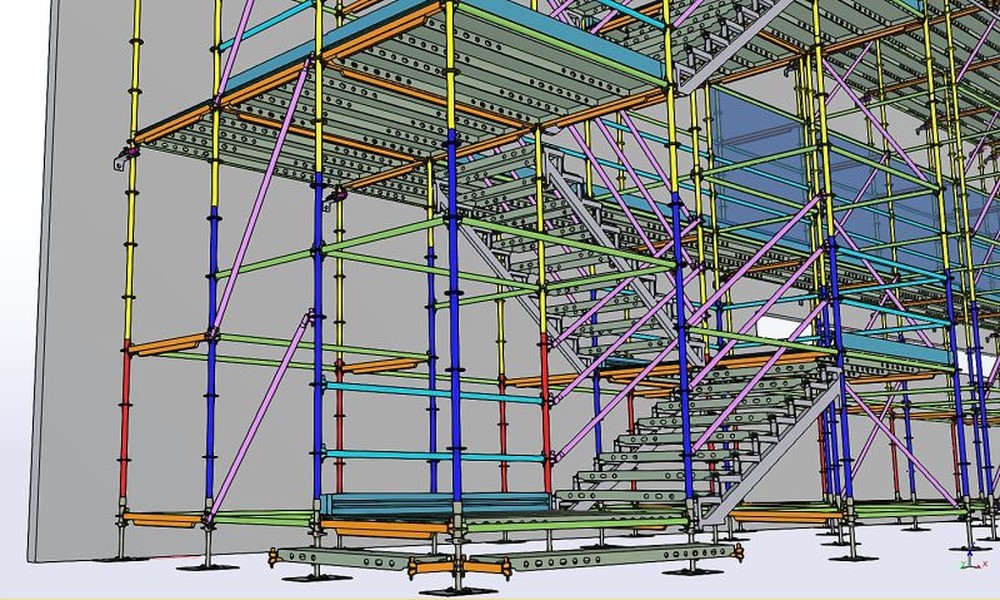
Every towering festival stage, pop-up pedestrian bridge, or dramatic building wrap starts as a vision, and all those visions demand safe, robust temporary structures. Behind the scenes, scaffolding engineers turn these fleeting installations into reality, blending creativity with rock-solid safety at every phase.
Understanding Temporary Structures and Their Importance
Temporary structures serve as the unsung backbone of modern construction sites and large-scale events. They make the impossible possible: supporting workers hundreds of feet in the air, enclosing a historic façade for restoration, or providing weatherproof shelters in challenging conditions.
Defining Temporary Structures in Construction and Events
From classic tubular scaffolds to sophisticated modular systems, temporary structures include any engineered build meant to be removed after use. Concert stages, access towers, containment enclosures, and suspended work platforms all fit this definition. Their flexibility is their strength, but this impermanence means every design must account for unique risks from day one.
Key Roles of Scaffolding Engineers in Temporary Designs
A scaffolding engineer assesses, plans, and signs off on the safety and functionality of these structures. Their expertise covers structural loading, wind factors, human traffic, and site quirks. Whether it’s a compact shelter or a sprawling access platform, their decisions can prevent catastrophe and keep projects on schedule.
Safety, Compliance, and Regulatory Considerations
Safety is never negotiable. Regulatory codes, both international and local, dictate strict standards for load-bearing, anchoring, and access. Scaffolding engineers ensure every aspect meets or exceeds these requirements, navigating evolving safety laws alongside clients’ unique needs.
Planning and Initial Design Phase
A solid temporary structure begins with a clear understanding of the project’s demands and constraints. Site conditions, usage duration, expected loads, and environmental factors drive every decision.
Assessing Project Requirements and Site Conditions
Before a single tube is delivered, engineers and project managers evaluate the site. Is the ground stable? Are there overhead obstructions, underground utilities, or restricted access? These questions shape the feasibility and scope of the design.
Selecting Appropriate Scaffolding Systems and Materials
No two projects are identical. Options range from standardized ringlock scaffolding (known for rapid assembly and high strength) to custom-fabricated access floors. Material choice matters: steel offers durability, while aluminum reduces weight for easier handling.
Collaborating with Architects, Contractors, and Clients
Open communication is essential. Scaffolding engineers work hand-in-hand with architects and site supervisors to integrate temporary structures seamlessly into the broader construction or event plan, balancing safety with workflow efficiency.
Risk Assessment and Load Calculations
Every design begins with a risk assessment. Engineers calculate live loads (people, equipment), dead loads (the structure itself), and variable forces like wind or snow. It’s a meticulous process that leaves no variable to chance.
Engineering Analysis and Structural Design
Temporary doesn’t mean simple. Precision engineering takes center stage as scaffolding engineers model loads, check stability, and ensure resilience in all conditions.
Calculating Loads: Dead, Live, Wind, and Environmental Factors
Load calculations must account for every conceivable force. The safety factor is non-negotiable, better to over-engineer than risk failure. Modern software streamlines this, but the engineer’s judgment remains vital.
Designing for Stability: Foundations and Anchoring Methods
Even the best scaffold will fall short without a stable foundation. Engineers select footings and anchors based on soil conditions, anticipated loads, and potential shifts due to weather or vibration.
Using Software Tools and Manual Calculations for Precision
Digital modeling tools simulate stress, movement, and failure points, but experienced engineers still rely on manual calculations as a double-check. This blend of technology and expertise is what sets top firms apart.
Integrating Modularity and Flexibility in Design
Fast assembly and future modifications are often essential. Modular scaffolding systems enable rapid reconfiguration, adapting on the fly to changing site needs or unforeseen challenges.
Fabrication, Assembly, and Quality Control
Design is only half the story. The transition from blueprint to reality requires diligent oversight.
Preparing Detailed Engineering Drawings and Specifications
Accurate, comprehensive drawings prevent costly errors. They outline every joint, connection, and anchor, serving as the definitive guide for assembly teams.
Material Inspection and Compliance Checks
Before any construction starts, all materials are inspected for defects and cross-checked against regulatory requirements. This step is crucial for both safety and legal compliance.
Step-by-Step Assembly Procedures with Scaffolding Engineers
During assembly, scaffolding engineers provide on-site guidance, ensuring teams follow procedures exactly. This real-time involvement helps prevent shortcuts and fosters a safety-first culture.
On-Site Quality Assurance and Structural Inspections
Once assembled, engineers perform a final round of inspections, checking for stability, load capacity, and proper installation of safety features. Only then is the structure certified for use.
Ensuring Safety and Maintenance Throughout Usage
A temporary structure’s job isn’t done after assembly. Ongoing vigilance is crucial to keep everyone safe.
Implementing Safety Protocols and Worker Training
From mandatory harnesses to access controls, safety protocols are enforced. Workers receive training tailored to the specific structure and site hazards.
Routine Inspections and Monitoring Structural Integrity
Regular inspections catch early signs of wear, overloading, or environmental damage. Quick action can prevent minor issues from escalating into major failures.
Troubleshooting Common Issues and Emergency Procedures
Unexpected problems, like shifting ground or severe weather, demand rapid response. Scaffolding engineers remain on call to troubleshoot and, if needed, oversee safe evacuations or repairs.
Planning for Safe Dismantling and Site Restoration
When the project ends, careful dismantling prevents accidents and ensures the site returns to its original state. Engineers oversee every phase, from disassembly to waste management.
Case Studies and Best Practices from Industry Experts
Real-world success comes from experience and innovation.
Successful Temporary Structures in Construction Projects
Consider a major heritage restoration where intricate scaffolding allowed artisans to reach every surface without damaging the site. The structure’s flexibility and stability were critical to the project’s success.
Innovative Scaffolding Solutions for Complex Designs
Some projects require out-of-the-box thinking, such as suspended floors for work in confined urban environments. Modular systems have made these possible, even where space and access are tight.
Lessons Learned and Continuous Improvement in Engineering Practices
Each project brings fresh insights and refinements, making future designs safer and more efficient. Collaborating with a seasoned scaffolding engineer NadeauSDM can provide not just compliance, but creative solutions and peace of mind.
Temporary structures are more than stopgaps, they are precision-engineered assets, making bold ideas possible, safely and efficiently.
